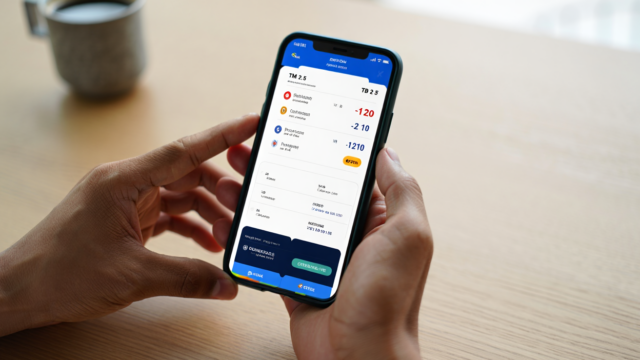

Football betting has its own language. Newcomers often encounter unfamiliar abbreviations and market types that can seem confusing at first. Understanding what you’re betting on directly affects your ability to make informed decisions and manage risk.
The most common betting markets revolve around match outcomes, goals, and player performance. Each market operates differently, carries distinct odds, and suits different betting strategies. The terms you’ll encounter most frequently include single outcome bets (moneyline), multiple outcome bets (double chance), and goal-based wagers (totals). Mastering these basics separates informed bettors from those relying on intuition.
What Is X2 in Football Betting?
X2 represents a double chance market that covers two of the three possible match outcomes: either a draw or an away win. If you place an X2 bet, you win if the away team scores or if the match ends in a tie. You lose only if the home team wins outright.
Consider a concrete example: Spartak plays Zenit. An X2 bet wins when Zenit scores (away win) or when neither team wins (draw). It loses exclusively if Spartak wins at home. This market exists because draws and away victories are statistically less likely than home wins in football, which means X2 offers better odds than betting on a single outcome like “away win only.”
The X2 market appeared alongside two other double chance variants: 1X (home win or draw) and 12 (home or away win, covering everything except a draw). These three markets split the three possible outcomes into overlapping pairs. Bettors use them primarily in football, though they occasionally appear in hockey and handball markets.
X2 serves practical purposes. Many bettors use it as insurance when they believe a team is undervalued. If you think the away team will likely perform well but want protection against a home upset, X2 gives you two ways to win instead of banking on a single result. Alternatively, X2 appeals when you want lower risk with reasonable odds compared to backing just the away win outright.
The odds for X2 sit between single outcome bets and parlays. If the away team has 3.5 to 1 odds and a draw has 3.5 to 1, the X2 combination typically pays around 1.8 to 2.2 to 1, depending on the bookmaker’s assessment of probability and margin.
Handicap betting offers a mathematically identical outcome to X2. A handicap of +0.5 goals for the away team creates the same winning conditions: the away team advances (wins or draws after the handicap adjustment). Some bettors prefer handicap notation while others favour double chance language, but the results remain the same.
Totals and Over/Under Markets
Goals scored in a match form the basis of the totals market. You bet whether the combined goals from both teams will exceed or fall short of a number set by the bookmaker, typically 2.5 goals. An over 2.5 bet wins if the match has three or more goals; under 2.5 wins with two or fewer goals.
The 2.5 threshold became standard because it avoids pushes (draws where no one wins). You cannot score exactly 2.5 goals in football, so one side must win. Bookmakers also offer alternative totals like 1.5, 3.5, or 4.5 depending on expected match pace and team quality.
Totals appeal to bettors who lack strong conviction about which team will win but have opinions about match flow and attacking intensity. A defensive rivalry might suggest under 2.5, while a clash between high-scoring teams supports over 2.5. This market requires understanding team form, recent goal patterns, and head-to-head tendencies rather than predicting specific winners.
Money Management and Bankroll Strategy
Successful bettors separate their gambling funds from living expenses and establish clear staking rules. Your bankroll should be money you can afford to lose entirely without affecting rent, food, or essential bills. This psychological boundary prevents panic decisions and chasing losses.
Unit sizing forms the foundation of bankroll management. One unit typically equals 1–5% of your total bankroll. If your betting fund is $1,000, each bet might be $10–$50 (1–5 units). Conservative bettors stick to 1–2 unit stakes; aggressive ones reach 4–5 units only on high-confidence selections. Never exceed your unit limit chasing wins or recovering losses, as this destroys long-term profitability.
Tracking every bet matters. Record the date, match, bet type, odds, stake, and result. After 50–100 bets, your data reveals whether specific markets treat you well or drain money. Some bettors profit on totals but lose on moneyline bets, or win on underdogs but lose on favourites. Data guides future decisions far better than intuition.
Selecting Licensed Bookmakers
Regulated sportsbooks licensed by established authorities offer deposit protection and reliable payout mechanisms. Before registering, verify the bookmaker’s license through the regulatory body’s official website. European operators typically hold licenses from Malta, Gibraltar, or the UK Gambling Commission. Asian operators may be licensed in the Philippines or Curacao.
Unlicensed bookmakers avoid taxes and regulations, meaning they can disappear with customer funds if disputes arise. A slightly better odds offer from an unlicensed site becomes meaningless if you cannot withdraw your winnings. Legitimate bookmakers accept this friction because regulation protects both operator and bettor.
Compare odds across multiple licensed sportsbooks before placing bets. The same match may show different odds at different operators; a small difference multiplies across numerous bets. Using odds comparison tools saves time and directly increases your long-term expected value.
Football Betting Predictions on Telegram
Telegram’s ease of channel creation and lack of server costs made it the primary platform for football betting cappers and prediction services. Anyone can launch a Telegram channel in minutes, promoting it through links and advertisements, which unfortunately means scammers operate alongside legitimate services.
Established prediction channels show consistent traits: documented history (visible blog or channel age), clear author information, published statistics of past picks, verified subscriber counts, regular posting activity, transparent communication about paid versus free services, and willingness to publish their own bets for accountability. Independent reviews on third-party sites help verify credibility before you follow or pay for access.
Free Telegram prediction channels usually offer lower-odds tips, promotional content, and limited analysis. Paid channels in closed groups charge monthly or yearly subscriptions in exchange for higher-confidence picks, detailed reasoning, and direct capper communication. Some channels operate hybrid models with free public content and premium private groups.
Research thoroughly before engaging with any channel. Scammers create new accounts quickly after being flagged, sometimes using similar names to established channels. Check subscriber count growth patterns, review comment sections for user feedback, and cross-reference any claims about past performance. Channels that aggressively push paid subscriptions or guarantee specific returns should raise immediate suspicion.
Evaluating Prediction Accuracy
A capper’s historical record matters far more than their confidence level or promotional tone. Request documented stats showing win-loss records, return on investment, and hit rate across a meaningful sample (at least 50–100 bets). Be skeptical of cherry-picked results or selective timeframes presented in highlights.
ROI (return on investment) tells you how much profit accumulated relative to money wagered. A capper with 55% hit rate but –2% ROI actually loses money despite winning more bets than lost ones, because their odds selections underperformed. Conversely, 48% hit rate with +8% ROI indicates skillful odds recognition.
The most reliable channels publish picks before matches kick off, not after results confirm winners. Real-time predictions in a live-updating feed show genuine analysis rather than hindsight selection. If a channel only posts winners after the match concludes, you cannot verify prediction quality.
Sustainability separates professional cappers from lucky runs. Someone with a 65% win rate over five bets may just be fortunate; someone maintaining 53–55% win rate over 300+ bets demonstrates actual skill. Be patient gathering evidence before committing money to any service.
Avoiding Common Pitfalls
Chasing losses destroys bankrolls faster than any single bad bet. After a losing day, resume your normal unit size and strategy rather than doubling stakes hoping to recover. Mathematics works against larger emergency bets; variance becomes your opponent.
Overcomplicating bets through parlays and accumulators introduces house margins that compound. A parlay requiring all four selections to win might pay out 25 to 1, but the true probability often supports only 15 to 1 odds given the individual match probabilities. The sportsbook keeps the difference. Single bets or simple two-leg parlays on confidence selections perform better for most bettors.
Insufficient research before betting on unfamiliar teams or leagues wastes your bankroll. A team’s form in their domestic league may not translate to European competition. Injuries to key players reshape match dynamics entirely. Before betting, know the teams’ recent results, head-to-head records, and any relevant off-field factors affecting performance.
Betting with emotion rather than analysis triggers impulsive stakes on your favorite team or against rivals. Successful bettors treat every match identically: evaluate the lines, compare to expected probability, and bet only when value appears clear. Your emotional connection changes nothing about actual match outcomes.
Building Betting Knowledge
Build knowledge gradually through focused study. Read sportsbooks’ published materials on how markets function and what specific bet types mean. Most licensed operators provide free educational resources explaining everything from basic terminology to advanced hedging strategies.
Track professional bettors and cappers to understand their reasoning without immediately following their picks. Observe which markets they prefer, what odds they target, and how they adjust when favorites or underdogs appear. Learning their logic matters more than copying their bets.
Start with small stakes on the markets you understand best. If double chance (X2) appeals to you more than totals, focus there until you develop consistent skill, then expand into other markets. Depth in one area beats shallow knowledge across many.
The transition from casual bettor to consistently profitable one requires patience, discipline, and willingness to accept small wins and statistical variance. Professional bettors view gambling as a business requiring planning, record-keeping, and emotional control. That mindset shift, more than any single prediction or betting term, determines long-term success.