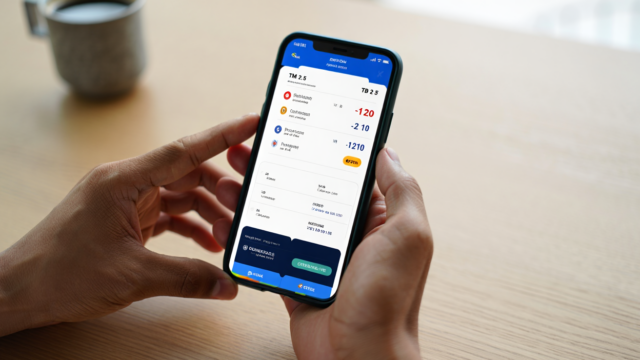
First half football betting differs from full-match wagering because it compresses all action into 45 minutes. The odds are typically lower-ranging from 1.68 to 2.14 according to real tracking data-but the shorter timeframe means fewer variables affect the outcome. You’re betting on a narrower window, which allows sharper analysis if you know what to look for.
The fundamental appeal is speed. A first half bet settles quickly, letting you reinvest winnings or adjust your strategy within the same match day. This matters when coordinating multiple wagers through prediction channels that operate on Telegram.
Core Rules for Accurate First Half Predictions
Team form in opening minutes matters more than overall season performance. Teams that start matches aggressively tend to score or concede in the first 15 minutes. Check not just wins and losses, but how many goals each side typically concedes before halftime. A team allowing 0.8 goals per first half is fundamentally different from one allowing 1.5.
Motivation shifts the entire dynamic. A team needing three points plays differently in the first 45 minutes than one already secured in the table. Promotion-chasing sides press from kickoff; teams mathematically safe often pace themselves. This behavioral difference shows up in first half betting lines that bookmakers sometimes misprice.
Injury reports released on match day create actual edges. If a team’s starting left-back or main striker becomes unavailable two hours before kickoff, the team adjusts formation and risk tolerance. First half goals often spike or drop depending on how comfortable the replacement is. Public betting lines adjust slower than sharp money, so you gain an advantage by checking official team news 90 minutes before start time.
Home advantage concentrates in the first half. Crowd noise and player confidence peak early. Teams playing at home tend to come out stronger in opening phases, then slow down as away sides adjust. This creates predictable patterns worth analyzing.
Selecting Reliable Prediction Sources
Not all Telegram channels provide actionable tips. The difference between a profitable channel and a scam often comes down to four verifiable factors.
Channel age and author verification matter immediately. New channels created after a previous one was flagged suggest a rotation scheme used to dodge accountability. Look for channels active for at least six months with a visible author history-preferably someone who publishes their win/loss record publicly. Scam channels typically obscure this data or claim “100% accuracy,” which no honest predictor does.
Real subscriber behavior reveals truth faster than follower count. Channels with 50,000 bots and 100 active commenters are hollow. Legitimate prediction groups show daily conversation, bet discussions, and members questioning incorrect picks. Check if people are actually talking in the channel or if it’s one-way broadcasts.
Paid versus free services signal different risk profiles. Free predictions in public channels often use low odds (1.6–1.8) designed to attract users, not generate profit. Paid closed groups typically offer higher odds (1.9–2.3) because subscribers expect better analysis justifying the fee. Professional cappers don’t guarantee wins-they publish their ROI over rolling 100-bet periods instead. Avoid anyone claiming “guaranteed profits” or “sure bets.”
Odds fairness can be checked independently. Cross-reference the odds a channel recommends against three major bookmakers. If a channel consistently recommends bets with inflated odds that real sportsbooks don’t offer, it’s either fabricating results or deliberately misleading followers. Legitimate cappers use real, available odds.
Absence of fixed match language filters out crime. Any Telegram account offering “inside information” about match outcomes, “special contacts,” or “guaranteed results” is either running a scam or promoting illegal betting. Real predictions work with public information and statistical analysis only.
Practical Bankroll and Bet Sizing Strategy
Your stake multiplies by the odds to determine total return. A 1,000 RUB bet at 1.95 odds returns 1,950 RUB if it wins. Most profitable bettors operate with a fixed stake size-typically 2–5% of their total bankroll per bet.
If you start with 50,000 RUB, a 3% stake means 1,500 RUB per bet. Over 30 bets with a 70% win rate (21 wins, 9 losses) at average 1.85 odds, documented results show around 1,927,640 RUB net profit across multiple bettors-but this assumes disciplined execution over months, not days.
Track every single bet in a spreadsheet: date, team, odds, stake, result, profit/loss. After 50 bets, you’ll see your actual ROI. If it’s below 5% monthly, either your source is weak or your selection process needs tightening.
Bankroll management prevents catastrophic losses. Never bet more than 10% on a single match regardless of confidence. Split larger stakes across multiple bets on the same game-different halves, different teams, different bet types. This diversification means one bad call doesn’t wipe you out.
Choosing the Right Bookmaker
Your sportsbook choice affects profitability more than most bettors realize. Compare three factors: margin, line width, and live betting speed.
A bookmaker with low margin (2–4% built into odds) means better long-term value than one with 6–8% margin. You find this by checking identical matches at two books-the one offering 1.88 instead of 1.83 for the same outcome has lower margin.
Wide line means more bet types available. Some bookmakers offer first half totals at 0.5-goal increments; others only at 1.5. More granularity lets you find mismatches between your analysis and offered odds.
Live betting speed matters for first half wagers specifically. If the first half goes 5 minutes without odds updating, that sportsbook isn’t fast enough for live in-play action. Prediction channels often recommend bets during the match, and you need a platform that lets you place them instantly.
First Half Bet Types and When to Use Them
Moneyline (first half winner). Bet on which team leads after 45 minutes. Simplest type, lowest odds typically around 1.6–1.85. Use this when team form and motivation strongly favor one side.
Total goals. Over/under a specific number (usually 1.5 or 2.5 goals combined). Defensive teams in early season tend toward under; attacking teams push toward over. Check weather-wind and rain suppress first half goals.
Handicap. One team starts with a −0.5 goal deficit (they must win 1–0, 2–0 to cover) or advantage. Use this when one team is heavily favored but odds don’t reflect it fairly.
Both teams to score. Each side must score at least one goal. Higher odds (2.0–2.4) but requires both squads to attack. Avoid when one team plays pure defense.
Exact score. Highest odds (8.0+) but hardest to hit. Only bet this with statistical models, not guesswork. Prediction channels rarely recommend it because the hit rate doesn’t justify the stake size for most followers.
Double chance. Pick home win or draw, or away win or draw. Lower odds (1.5–1.6) but higher hit rate. Defensive leagues favor this bet type.
Using First Half Data to Refine Your Selections
Goals scored in the first 15 minutes of matches show patterns. Teams trained to press hard from kickoff typically score early, creating goals in minutes 1–5. Set plays from corners and throw-ins in early phases lead a measurable share of first half goals overall.
Compare each team’s first half goal average at home versus away. A team averaging 1.3 goals at home but 0.6 away is dramatically different. The bookmaker odds don’t always reflect this gap sharply enough.
Momentum from previous matches affects first half intensity. A team that conceded late in their last match often starts defensive in the next game’s first half. This shows up as lower totals and higher defensive stability.
Injuries confirmed the morning of the match are actionable only if they involve key first half contributors. A missing striker affects early output more than a defender out in the 70th minute.
Practical Steps to Place Your Bet
Register with a licensed bookmaker if you haven’t already. Identity verification is required before any withdrawal, so get this done first. Add funds via your preferred method-debit card, e-wallet, or cryptocurrency depending on availability in your region.
Navigate to football (soccer) in the sports menu. Select the specific league and match. Filter for “first half” or “halftime” betting options. Compare odds across different bet types. If using a prediction tip, note the exact odds recommended, then compare to current odds at your book.
Odds move constantly, especially for first half bets as kickoff approaches. If a source recommended 1.95 odds, anything higher is an improvement (1.97+), anything lower might not be worth the bet depending on your threshold.
Set your stake amount. Don’t exceed your pre-planned percentage of bankroll. Place the bet. Screenshot the confirmation for your records.
Red Flags in Prediction Channels
Channels that delete old predictions or claim 95%+ win rates without showing detailed history are hiding losses. Real cappers publish everything.
Payment requests before tips are delivered, requests for YouTube engagement (likes/shares) in exchange for picks, or promises of “exclusive closed group access” for a fee followed by requests for more money-these are classic scam patterns. Legitimate cappers accept payment once, then provide service. No ongoing fees for “special access.”
Lack of response to simple questions about past picks or methodology suggests automated bots, not real analysis. Ask any legitimate channel why they recommended a specific bet. You should get a substantive answer about team form, odds value, or tactical reasons within hours.
Building Your Personal Betting System
Combine prediction tips as one input, not your only input. A channel might identify valuable matches, but you add your own verification. Check the team stats yourself. Verify the odds. Assess recent form independently.
Track which sources perform best by comparing their picks against your actual results. Some channels might have 65% accuracy; others 52%. Stop using the weak ones after 30 picks.
Develop a personal scoring system: does the tip match your analysis? Is the odds value real? How does the team’s first half form compare to last year? Only place bets where your independent analysis agrees with the tip. This filters out about 40% of recommendations but increases your hit rate significantly.
After 100 bets using this combined approach, calculate your ROI. Aim for positive 5–10% monthly. Anything below that means refine your rules or source selection. Anything above 15% monthly suggests either luck (verify over 200+ bets) or a genuine edge you should protect.