
Football betting attracts millions because the sport itself is accessible, widely covered, and offers hundreds of betting markets. But accessibility doesn’t equal profitability. Most bettors lose money because they skip analysis, chase odds, and ignore bankroll management. The difference between casual wagering and sustained profit comes down to three things: understanding bet types, knowing how handicaps work, and choosing a licensed bookmaker.
Understanding Football Handicap Betting
Asian handicap is the most misunderstood betting tool, yet it’s one of the strongest ways to find value when odds are imbalanced.
A standard handicap gives one team a virtual disadvantage or advantage in goals. When you see -1 handicap on the favorite, you’re betting they win by at least two goals. If they win 2-1, your bet loses. If they win 2-0 or 3-1, you win. The inverse works for the underdog: +1 means they can lose by one or win outright and you collect.
The real power of handicaps emerges in uneven matches. Say Barcelona plays a third-division club. The straight moneyline on Barcelona might be 1.08, which pays almost nothing. The same match with a -2 handicap might offer 1.90 odds. You’re getting real return if Barcelona does what’s expected.
Quarter-goal handicaps add another layer. A -0.5 handicap means the team must win outright, period. A -1.5 handicap requires a two-goal win. These fractional handicaps eliminate pushes and force clarity. Many experienced bettors prefer them because there’s no confusion about your stake being returned.
The bookmaker sets handicap levels based on expected goal difference, not to even the match for entertainment. If statistics suggest Barcelona should beat that third-division team by 2.3 goals on average, the handicap will land somewhere near -2 to find balanced action on both sides.
Best Bet Types for Winning at Football
Single bets on individual matches form the foundation of any winning strategy. A single isolates one event, removes compounding losses, and lets you apply rigorous analysis to each decision. If you analyze 100 singles properly, you’ll catch profitable spots. Accumulators multiply your losses when even one leg fails, which happens frequently.
Double chance covers two of three possible outcomes: 1X (home win or draw), 12 (either team wins), or X2 (away win or draw). The trade-off is real: you reduce risk but accept lower odds, typically 1.50 to 1.80 instead of 2.0+ for a moneyline. Double chance works when you’re confident about direction but uncertain about the exact result. A strong home team playing a weak visitor? Use 1X and collect at lower odds rather than chase the moneyline at 1.15. You’re trading decimal places for certainty.
Totals (over/under goals) depend entirely on match context. Over 2.5 goals means three or more goals are scored. Under 2.5 means two or fewer. The key insight: attacking teams with historical high-scoring matches, teams that have incentive to win (cup knockouts, relegation battles), and matchups where both sides attack usually go over. Defensive setups, teams with nothing to play for, and encounters between low-scoring clubs typically produce unders. The 2.5 line is standard in football because it cuts through most probability curves cleanly.
Strategies That Actually Work
Drawing matches occur more often than casual bettors realize. When both teams are equally matched, motivation is low, or one side needs only a point, draws happen at 25-30% frequency in some leagues. Betting on draws at odds of 3.50 or higher captures value when the real probability sits around 30%. You’ll lose regularly but profit over time when expected value is positive.
Yellow card totals exploit team behavior. Sides with high motivation in important matches, especially under strict referees, accumulate cards. A team desperate for promotion or fighting relegation will make more tactical fouls. Tracking historical card data per team and referee combination reveals profitable lines that casual bettors ignore.
Combine statistical analysis with what you know. If you follow a league closely, you notice which defenses leak goals late, which goalkeepers struggle in specific weather, and which teams play differently at home. That knowledge beats generic odds-chasing. Examine recent form over at least five matches, head-to-head records, injury lists, and motivation. A team fresh from a Champions League exit playing a routine domestic match often underperforms.
Bankroll management separates temporary luck from actual skill. Fix your stake size at 2-5% of your bankroll per single bet. If you have 1000 units, each bet is 20-50 units. This approach survives cold streaks. Many winners use percentage-based stakes: risking 2% of remaining funds on each wager. You’ll never bet big enough to destroy yourself on a bad run, and you’ll naturally increase stakes as your bankroll grows.
Choosing Bookmakers That Actually Pay
Licensed bookmakers operate under regulation and have obligations to settle bets accurately. Verify the bookmaker’s license through government gambling authorities. Most EU-regulated operators hold licenses from Malta, Gibraltar, or the UK, with clear oversight. Check recent user reviews specifically about payout disputes, not general complaints about losing.
Odds quality matters more than most bettors realize. Two sites might offer the same match, but one has 1X2 odds of 2.0-3.5-3.3 while another shows 1.98-3.4-3.25. The difference compounds across hundreds of bets. Find a bookmaker offering competitive lines through comparison tools or manual checking of major matches.
Deposit and withdrawal ease indicates professionalism. Trustworthy operators process withdrawals within 24 hours. If a site takes a week or demands extra verification only after you request cash, that’s a warning sign. Read withdrawal policies carefully before depositing.
Avoid bonus traps. Sites offering 200% welcome bonuses sound generous until you read the 30x wagering requirement. You need to bet that bonus 30 times before touching winnings. Stick with bookmakers offering no-bonus accounts or realistic terms (5-8x rollover).
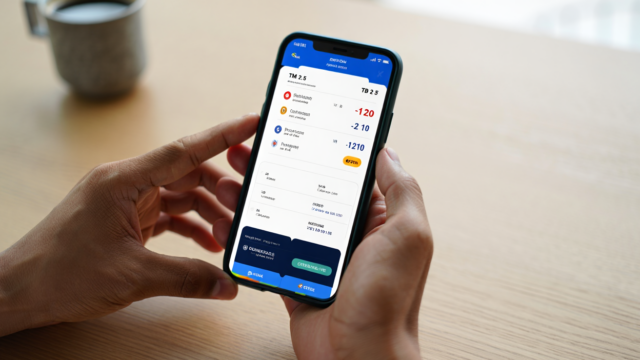
Check the mobile app functionality. You’ll place most bets on your phone. Apps that crash, move slowly, or fail to display live odds during crucial moments will cost you opportunities and frustration.
How to Place Your First Winning Bets
Registration takes minutes: email, password, date of birth, and address verification. Some sites require ID scans for deposits above certain amounts. Complete this step during off-peak hours so support responds quickly if issues arise.
Fund your account with an amount you can afford to lose. Treat betting like entertainment with a cost, not income generation. Start with 50-100 units of value, enough to weather variance without desperation.
Search the match you want. Select the outcome type: moneyline, handicap, total, or alternative market. Enter your stake and confirm the odds. Most sites show potential return immediately. Place the bet and monitor live. Never make emotional adjustments mid-match unless you’re using cash-out features (offered by major sites).
Track every bet in a simple spreadsheet: date, teams, bet type, odds, stake, result, and profit/loss. After 30-50 bets, patterns emerge. You’ll see which markets you’re good at, where you’re bleeding money, and how variance is affecting your results. This data is more valuable than any tipster’s picks.
Start with singles on leagues you follow. Master one market before branching into exotic options. A 55% win rate on singles at -110 odds (1.91 decimal) produces long-term profit. That’s your realistic target, not 90% accuracy.
Football betting rewards knowledge and discipline over intuition and luck. Learn the markets, analyze properly, manage your money, and select licensed bookmakers.