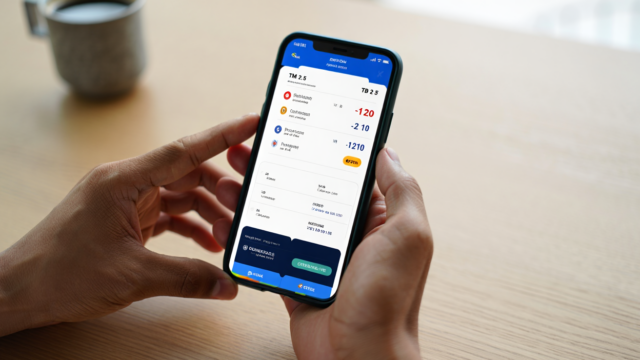

A handicap in football betting adjusts the final score by adding or subtracting goals before determining the winner. This leveling mechanism allows you to bet on the underdog with better odds or find value when a favorite seems overpriced.
Three handicap types exist in practice. Ordinary handicaps work straightforwardly: if you bet on Team A with handicap -1, they must win by two or more goals for your bet to win. A one-goal victory results in a push, and your stake returns. Asian handicaps split your wager between two ordinary handicaps. Betting on a -0.75 handicap, for example, divides your money equally between -0.5 and -1, meaning half your stake returns if the team wins by exactly one goal, while the other half loses. European handicaps eliminate the return option entirely. A 1:0 European handicap means you’re essentially guessing the adjusted scoreline, with no refund on a draw after adjustment.
The key advantage of handicaps lies in finding mismatches between public perception and actual performance. If Team A wins at home over 60% of the time and Team B’s players are fatigued from travel, a -1 handicap on Team A might offer genuine value despite the underdog getting better raw odds. Professional bettors constantly scan matches for these imbalances before oddsmakers recognize them.
Tracking Falling Odds as a Winning Signal
Falling odds signal movement in the betting market that precedes public knowledge. When odds drop sharply, it usually means large volumes of money have already landed on one outcome, tipping the market. This happens for two reasons: sudden information reaches informed bettors before the general public (a key player injury, lineup confirmation, or weather changes), or smart money simply recognizes value before consensus catches up.
Scanning tools monitor these shifts in real time. A template filter might track odds that drop 10% or more on matches where the initial price exceeded 3.00. Such movements frequently correlate with actual outcome patterns, especially in lower-tier leagues where bookmakers adjust lines more cautiously.
The practical method works this way: set your scanner to show only matches where odds have fallen recently, then cross-reference those picks with your own analysis. If your independent assessment agrees with the direction the market moved, you’ve found confluence. A match where France is favored, odds fell sharply on their victory, and your handicap analysis confirms they should beat an opponent by 2+ goals gives you multiple data points supporting the same conclusion.
However, falling odds don’t guarantee wins. Sometimes large bets target a bad outcome. The signal gains strength only when combined with fundamental analysis. You might notice Arsenal’s odds dropping from 2.00 to 1.75 before kickoff, but if their star striker is suspended, that drop might reflect panic buying rather than informed positioning.
Winning Strategies for the 2026 FIFA World Cup
The 2026 World Cup begins June 11 in Mexico with a radically different format. Expanding from 32 to 48 teams and introducing a round of 32 stage creates 104 matches across 39 days, fundamentally reshaping betting logic. Favorites face tougher paths, and group stage outcomes gain outsized importance since more teams advance.
Current tournament favorites reflect recent form and infrastructure. Spain sits at 5.50 odds after qualifying undefeated with a midfield featuring Pedri, Rodri, Gavi, and Olmo. France, also quoted at 5.50, proved their credentials by defeating Senegal convincingly. England at 7.00 combines youth development with proven tournament experience. Argentina’s 9.00 odds reflect their Copa America success, though Messi’s age introduces injury risk.
Betting on tournament winners requires understanding the new format’s implications. With 48 teams and group stage advancement rules favoring more competitors, mid-tier contenders like Portugal (10.00) or even nations at 20.00+ odds gain realistic paths to later rounds. The increased match count means more variance, more upsets, and more opportunities for bettors to find undervalued teams.
On major betting platforms offering 2026 World Cup markets, early bets on mid-tier contenders often carry better value than waiting until spring 2026. Odds compress as the tournament approaches, but booking your view on Portugal, Netherlands, or Germany weeks in advance locks in better prices than betting after injury news, form dips, or coaching changes narrow the field.
Group stage handicaps deserve special attention. If Spain plays a weaker opponent in their opener, a -1.5 or -2 handicap on the Spaniards offers genuine edge. These contests rarely end tight, and the expanded format means stronger sides routinely face mismatches designed to showcase their quality.
Building a Consistent Winning Approach
No strategy guarantees consistent victory, but combining handicap analysis with odds monitoring creates a foundation for positive long-term results. Start by selecting one league where you develop genuine expertise-English Premier League, La Liga, or Bundesliga provide deep statistical records and reliable data. Track how often favorites at specific odds win by certain margins, then compare those historical frequencies to current handicap prices.
Use falling odds as a confirming signal rather than a primary trigger. When your independent analysis suggests a team should win by 2+ goals and oddsmakers have recently shortened their odds, both factors point the same direction. This convergence, not the odds drop alone, justifies placing your money.
For future tournaments like the 2026 World Cup, begin research months before the first match. Study qualifying campaigns, coaching stability, injury trends, and player aging curves. Argentina’s 9.00 odds might seem tempting, but Messi’s age limits their window. France’s squad renewal strategy affects their staying power. These factors separate informed bettors from casual ones placing bets the morning of matches.
Record every bet, including stake, odds, and analysis notes. After 100 or 200 bets, patterns emerge. You’ll discover which leagues suit your style, which handicap types generate edges, and which market movements coincide with your winning picks. This feedback loop transforms casual betting into deliberate skill development.