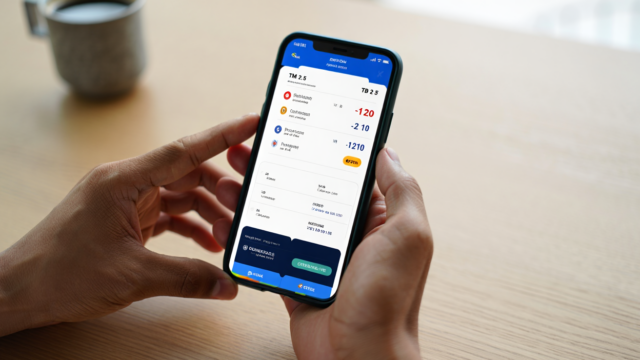

A Total Under 2.5 bet wins when a match ends with two or fewer goals combined. If the final score is 0-0, 1-0, 0-1, 2-0, 1-1, or 0-2, the bet pays out. Once three or more goals are scored, the bet loses. This is a half-line bet with no refund option-you either win the full payout or lose your stake entirely.
For example, placing a $10 bet at 1.85 odds returns $18.50 if the match produces two goals or fewer. A $10 bet at typical odds around 1.90 generates $19 profit on a qualifying result. The bet doesn’t split if the total lands precisely at 2.5; it simply wins outright.
Football bettors use this market to capture value in matches where both teams play defensively or when a clear favorite faces a weak underdog with little attacking ambition. Analyzing recent form is essential-avoid betting under when both teams have scored consistently in their last five matches.
When to Bet on Total Under 2.5
Low-scoring matches occur most frequently in specific circumstances. When a strong team plays at home against a relegation-battling side, the underdog typically focuses on survival rather than scoring chances. The favorite may also sit back after going ahead, reducing total goals by half-time.
Weather conditions matter significantly. Rain, wind, or cold temperatures make the ball difficult to control, leading to more possession battles and fewer clean strikes. Matches played in winter or evening hours often see reduced scoring compared to ideal weather windows.
Team form and injury status shape total goals directly. If a top striker is sidelined and the backup lacks proven conversion, expecting under 2.5 becomes reasonable. Teams in poor form often lack confidence in the final third and miss half-chances they would normally score.
Historical head-to-head records reveal patterns. Derby matches or regional rivalries sometimes produce cautious, tightly contested affairs where neither side wants to concede first. Check the last five meetings between opponents before committing stake.
Finding Value Bets on Football Today
Value bets exist when the odds offered by a bookmaker exceed what the true probability suggests. A match with 45% actual win probability offered at 2.50 odds (implying 40% probability) offers positive expected value.
Professional betting communities use specialized platforms to identify these opportunities. Sites that track return on investment (ROI) allow filtering by date range, odds threshold, and sport. A filter for ROI from 5-50% across matches in the next one to seven days reveals which bets historically outperformed market expectations. Sorting by popularity shows which selections attract consensus support, while sorting by ROI highlights the highest-expected-return picks regardless of current odds.
Team form statistics displayed alongside odds provide context for value assessment. If one team has won four of the last six home matches while facing a visiting squad that lost five consecutive games, the underdog odds deserve scrutiny. When the offered odds fail to reflect this gap, backing the favorite becomes valuable.
Betting communities on Telegram and specialized forums discuss perceived mispricing before sharp bettors adjust lines. Joining these groups provides early warning of moves away from opening prices, helping you act before value disappears.
Choosing Where to Place Football Bets
Licensed bookmakers operating in your jurisdiction offer the legal foundation for safe betting. Platforms like Betboom provide 24/7 sports coverage, cyber sports markets, and dedicated promotions for football bettors. The interface typically includes line viewing, live betting, and promotional sections offering bonus stake credits or enhanced odds.
Specialized value-tracking sites complement traditional sportsbooks by filtering available bets across multiple operators. These sites show match times, competing odds from different bookmakers, calculated ROI percentages, and form statistics for each team. You then place actual stakes through your preferred operator rather than the tracking site itself.
Mobile compatibility matters for placing in-play bets during matches. Matches shift dramatically within 45 minutes-a 0-0 scoreline after 20 minutes strengthens the under 2.5 case significantly. Responsive bookmaker apps execute bets instantly without lag.
Withdrawal speed and minimum stake requirements vary widely. Some platforms process payouts within hours; others require full account verification delaying funds by days. Compare withdrawal fees and check whether your preferred payment method (bank transfer, e-wallet, cryptocurrency) incurs charges.
Bet365, Pinnacle, Betfair, and regional operators each offer distinct advantages. Bet365 provides extensive pre-match and live markets with competitive odds. Pinnacle targets serious bettors with lower margins and higher maximum bets. Betfair’s exchange model allows backing and laying bets, useful for hedging positions or arbitrage. Regional platforms sometimes boost odds on popular local matches.
Analyzing Defensive Metrics for Under 2.5 Success
Goals conceded per match reveal defensive solidity. A team allowing less than one goal per home game is an obvious under 2.5 candidate when paired against a mid-table offensive unit. Cross-reference this against expected goals (xG) models-sometimes a team concedes few goals despite high xG, suggesting poor finishing by opponents rather than elite defending.
Set-piece vulnerability shifts under probability significantly. If one team specializes in aerial attacks but faces a squad with a dominant defensive record from corners, the under becomes more attractive. Conversely, a team prone to defensive chaos on set pieces makes the over more appealing even against modest attackers.
Shot conversion rates compound the analysis. An attacker missing three clear chances per match (visible in shot maps) makes over 2.5 risky despite creating opportunities. Review video highlights of recent matches to spot these execution gaps before committing funds.
Clean sheet percentages historically correlate with under 2.5 outcomes. Squads recording clean sheets in 40% of matches are logical under selections, though recent form matters more than season-long averages.
Managing Bankroll and Stake Sizing
Successful bettors allocate no more than 2-5% of total bankroll per individual wager. A $500 betting budget supports $10-25 stakes per bet, allowing 20-50 picks before exhausting funds even if half lose.
Kelly criterion optimization calculates ideal stake percentage based on perceived edge and odds. With 55% win probability at 1.90 odds, the formula suggests risking approximately 3% per bet. Bettors uncomfortable with sophisticated math simply use flat stakes (betting identical amounts) or reduce stakes during cold streaks.
Tracking results in a spreadsheet prevents emotional decision-making. Record date, match, bet type, odds, stake, result, and profit/loss. After 50 bets, calculate ROI percentage. Positive long-term ROI indicates edge; negative returns suggest strategy refinement is needed.
Avoid chasing losses by increasing stake size after consecutive defeats. Variance is normal; even strong bets lose occasionally. Disciplined unit sizing prevents bankroll destruction during downswings.
Common Mistakes in Total Under 2.5 Betting
Ignoring team motivation is a frequent error. A top club needing a win in the final league matches plays attacking football despite facing a parked-bus opponent, making over 2.5 more likely than form history suggests. Playoff matches or relegation deciders shift tactical approach unpredictably.
Overweighting recent form without context causes overconfidence. A team’s last match ended 0-0, but three prior matches saw totals of 3, 4, and 2 goals respectively. Averaging form suggests under 2.5 is not special value despite a single low-scoring result.
Betting overs and unders without checking actual odds costs money. A match with 70% historical probability of under 2.5 pays 1.60 odds, implying 62.5% probability. This negative expected value scenario should be rejected. Wait for odds correction or find better opportunities.
Neglecting team news costs bets consistently. A striker returns from injury, a goalkeeper transfers out mid-season, or a coach is sacked-these events shift entire team profiles overnight. Check official team pages or reliable injury databases before confirming bets.
Building a Systematic Approach
Develop a checklist before placing any bet. Record team form (last 5-10 matches), defensive and offensive metrics, head-to-head history, current injuries, weather forecast, and historical total goals in the specific fixture. Assign points to each factor, then decide whether threshold requirements are met.
Different leagues behave differently. Italian Serie A typically produces lower totals than German Bundesliga due to tactical preferences and squad composition. English Premier League mid-table teams play more defensively than Spanish Liga opponents. Separate your filters by league rather than applying one universal model.
Track which leagues and match types reward your selections. After 100 bets across multiple competitions, identify that under 2.5 works well in Turkish cup matches but fails consistently in Portuguese league derbies. Concentrate future stakes where edge exists.
Live betting adjusts odds as matches unfold. A goalless first half strengthens under 2.5 appeal, yet odds compress as fewer goals remain possible in the second half. Betting after 60 minutes with zero goals scored often presents poor value despite high win probability. Understand the relationship between remaining time, current score, and the actual probability shift.