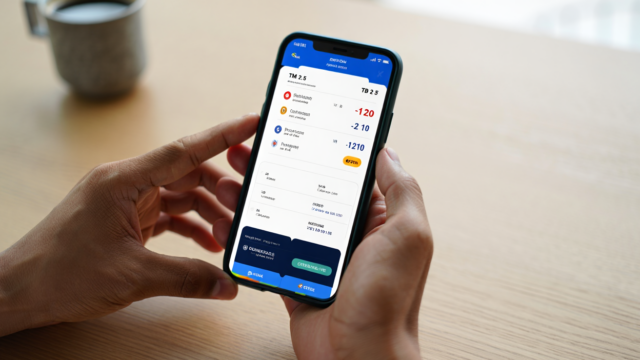

In football betting, X represents a draw or tie outcome. When you see odds displayed with three columns-1, X, 2-you’re looking at the standard format used across European sportsbooks. The 1 means a home team victory, X indicates neither team wins within regular time, and 2 signals an away team win. This notation appears consistently on betting platforms like Bet365, Betfair, and most licensed operators across Europe and beyond.
The X option exists because football matches can genuinely end in draws. Unlike American sports where overtime rules prevent ties, football regularly produces 0-0, 1-1, or other equal-score outcomes. A player who bets on X is wagering that the final whistle will sound with both teams having identical goals.
Why X Bets Are Overlooked
Most casual bettors ignore X bets because they focus exclusively on win predictions. Home and away outcomes feel more intuitive, so beginners rarely explore draw betting. This neglect creates a genuine edge for informed bettors. Sportsbooks don’t ignore X bets-they price them accurately based on statistical likelihood. What many casual players miss is that X bets can offer exceptional value in specific match situations.
The odds for X vary wildly depending on the teams involved. A fixture between two strong, attacking sides might offer 3.50 for a draw. A match between defensive teams or squads of similar quality might pay 3.20. A game featuring one dominant team and one relegation-form outfit could offer 5.00 or higher for the draw. Understanding when these odds align with actual probability separates profitable bettors from the rest.
Identifying High-Value Draw Opportunities
Draws cluster around certain predictable scenarios. When both teams rank similarly in league standings, draw probability increases substantially. A match between a 4th-place and 6th-place club produces draws more frequently than one between 1st and 18th. Check the pre-match league positions before assessing X value.
Motivation disparities matter enormously. Teams already qualified for European competition or relegated to a lower division often play cautiously. Teams fighting for championship points or battling relegation attack more aggressively. An unmotivated favorite facing a desperate underdog creates favorable conditions for X bets. Team news affects draw likelihood too. A title-winning team fielding reserve players because first-team players are rested raises draw odds significantly.
Head-to-head history reveals patterns. Some fixture rivalries produce draws consistently. Manchester United versus Arsenal has generated multiple 1-1 and 2-2 results over two decades. If historical data shows 30% of encounters end level and current X odds stand at 3.75, you’ve found value. The market hasn’t priced in the historical tendency.
Recent form convergence also signals draw probability. When a high-finishing team has won only once in five matches and a lower-positioned team has unbeaten streaks, their forms narrow. Evenly matched clubs in such states produce draws at higher-than-expected rates.
Where to Find Free Football Picks
Legitimate recommendations come from several sources. Dedicated tipster websites publish daily selections. The credible ones display historical records, including losses alongside wins. Check whether they reveal picks before matches commence and games settle. Any operation hiding previous results or posting “predictions” after kickoff should be dismissed immediately.
Professional sports analysis sites offer free pick sections. ESPN, Sky Sports, and major newspapers employ analysts who publish match predictions for significant fixtures. These recommendations carry less depth than paid analysis but provide respectable baseline information. They typically focus on major leagues and headline matches rather than lower divisions.
Subreddit communities like r/soccerbetting and r/soccer contain users posting selections daily. The quality varies dramatically. Some contributors track their own records transparently across spreadsheets. Others disappear after posting losses. Spend time identifying community members whose documented history shows positive returns over months, not days. A user boasting 15-2 records across isolated weekends proves nothing. Someone maintaining 52% accuracy over 200+ picks across a season deserves attention.
Betting exchange forums and Discord servers dedicated to football wagering host experienced bettors sharing analysis. These communities occasionally feature members who’ve built reputation through years of transparent posting. Recommendations there represent peer analysis rather than professional services. The advantage is unfiltered discussion-members debate picks, challenge logic, and highlight flaws before matches occur.
Evaluating Pick Quality
Successful picks aren’t simply correct predictions. They’re correct predictions at odds where the market hasn’t priced in the actual probability. A tipster recommending Manchester City at 1.20 when City has 92% win probability demonstrates no skill. A tipster recommending City at 1.05 when City’s actual win probability sits at 96% shows poor judgment. A tipster recommending a lesser-known team at 4.50 when analysis suggests 35% win probability (fair odds 2.85) displays understanding.
Recommendations only matter if they reference odds at posting time. A suggestion to bet Liverpool at “decent odds” without specifying the exact line becomes useless. Odds shift constantly as money flows. Did the tipster suggest Liverpool at 1.50, 1.80, or 2.10? Each represents entirely different propositions. Quality analysts post exact odds alongside selections, sometimes directly linking to sportsbook pages capturing the line.
Track record transparency separates serious analysts from noise generators. Anyone offering recommendations should maintain public record of every prediction. Use spreadsheets showing date, team, bet type (win, draw, over/under), odds offered, and result. Calculate the win percentage and return on investment (ROI). A 55% accuracy rate on 1.90 average odds generates positive long-term returns. A 48% accuracy rate on 2.00 average odds destroys capital despite almost reaching 50%.
Building Your Strategy
Rather than following single tipsters, aggregate multiple sources. Three independent analysts recommending the same outcome increases confidence. If three well-tracked forecasters all suggest a draw at 3.40 while a fourth suggests an underdog win, the consensus matters. You’re not mindlessly following one voice but recognizing convergence across experienced analysts.
Create your own filtering system. Establish minimum accuracy thresholds before staking capital. Only place money on recommendations from sources maintaining at least 52% accuracy over the past 100+ selections. Reject advice lacking detailed reasoning. Anyone can guess outcomes. Those explaining why they expect specific results-tactical analysis, team news, league context-deserve more credibility than those offering predictions without supporting logic.
Combine recommendations with personal research. Use analysis as a starting point. Read team news, check recent form, review historical matchups, and examine betting odds movements yourself. If your independent analysis aligns with a suggestion, confidence increases. If your research contradicts it, ignore the tip. Recommendations guide inquiry rather than replace analysis.
Implement bankroll management regardless of pick source. Never bet more than 2-3% of your total bankroll on single selections. Even perfectly selected bets lose. Variance exists. Protect capital against inevitable losing streaks. A tipster with 55% accuracy will still experience runs of ten consecutive losses. Proper staking ensures you survive these periods.
Specializing in Football Markets
Select a specific league or competition to master rather than betting broadly across all football. Choose the Premier League, La Liga, Serie A, or Bundesliga initially. Deep knowledge of 20 teams beats surface knowledge of 200 clubs. You’ll recognize which analysts understand your chosen league’s nuances.
Focus on specific bet types within that league. Some bettors build advantage exclusively through handicap bets. Others specialize in goal totals. Some focus on first-half outcomes or player-specific bets. Narrow specialization creates genuine expertise. You can’t simultaneously master every market. Build edge in one category, then expand once profitable.
Develop hypothesis testing habits. Before each matchday, form three to five specific predictions. Note them before watching matches. Track whether your pre-match predictions prove accurate across the season. You’ll identify your strengths. Perhaps you excel at predicting defensive matchups but fail at forecasting attacking-minded games. Shape your betting toward your actual strengths rather than betting everything equally.
Document decision processes. After placing bets, write brief notes explaining your reasoning. Did you identify value correctly? Were odds mispriced or did unexpected events occur? Did you follow your strategy or deviate emotionally? After reviewing 50+ decisions across several weeks, patterns emerge. You’ll see whether your analysis genuinely creates edge or whether luck’s driving results.
Getting Started
Start by selecting one trusted source of recommendations with documented history exceeding 500 selections. Verify their accuracy independently. Don’t accept their claimed success rate-calculate it yourself from published records.
Next, identify one specific football league or competition you’ll specialize in. Commit two weeks to consuming all available information about its teams without placing any money. Read team news daily, watch match highlights, review league statistics.
After two weeks, compare your pre-match predictions against actual results. Calculate your accuracy. If you’re beating 50%, consider placing small experimental bets. If you’re below 50%, continue research without wagering.
Once you locate consistently valuable recommendations through trusted sources, set a strict betting plan. Establish maximum stake per bet (2-3% bankroll), minimum acceptable odds (1.90+), and maximum monthly loss limit. Write these rules down. Review them before every betting day.
Track everything in a spreadsheet. Record date, match, pick source, odds, result, and profit/loss. After thirty days, analyze results. Do certain sources outperform others? Do specific bet types succeed more frequently? Use data to refine your approach.
Football betting provides edge opportunities for disciplined bettors willing to learn specific markets deeply. Recommendations accelerate learning when sourced from proven analysts, but they supplement rather than replace personal analysis. X bets remain undervalued by casual players, creating consistent opportunities for those recognizing genuine draw probability. Build your system methodically, measure results rigorously, and adjust based on evidence rather than emotion.